





Apr 15/2026

Across the healthcare industry, hospitals and clinics continue to invest heavily in digital marketing, online presence, and patient outreach. However, when these figures are compared with actual appointment bookings, a significant gap often becomes evident. Despite growing interest, many patient inquiries fail to convert into confirmed consultations.
Delayed responses, missed calls, inconsistent follow-ups, and disconnected systems create friction in what should be a smooth and reassuring experience. Over time, these inefficiencies result in lost patients, reduced revenue, and underperforming marketing investments, often without organizations realizing the true cause.
In a patient-centric environment, auditing the patient inquiry journey has become essential for organizations seeking sustainable growth. Healthcare providers are now turning to data-driven systems powered by AI and automation to gain visibility, improve accountability, and optimize every touchpoint.
This blog presents a step-by-step approach to auditing the patient inquiry journey, helping healthcare leaders identify gaps, improve conversion rates, and build a predictable, scalable growth framework.
Understanding the Patient Inquiry Journey
The patient inquiry journey refers to the complete path a potential patient follows to get connected to a healthcare provider. It includes every interaction, response, and experience that shapes their decision to choose one facility over another. Understanding this journey is essential because each stage directly influences patient trust, engagement, and conversion.
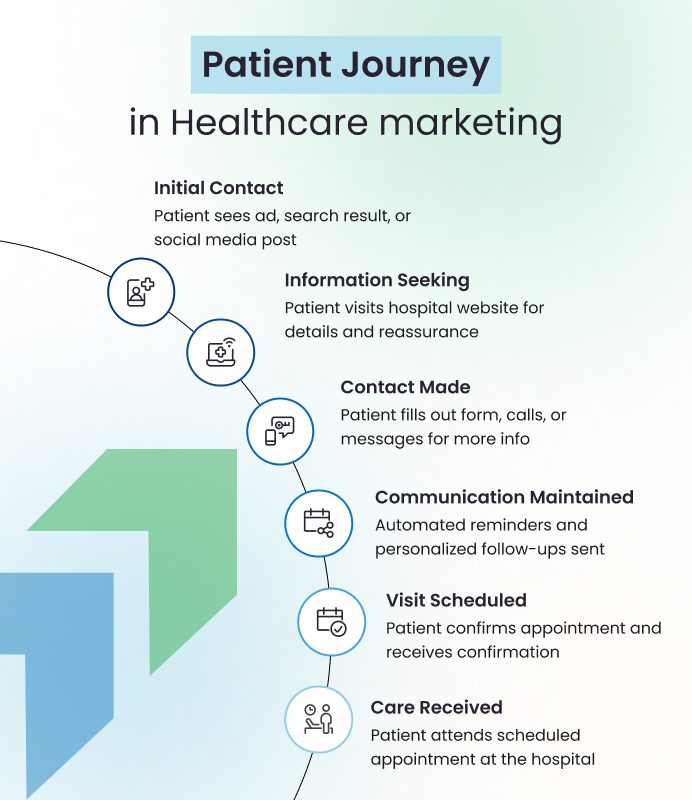
When this journey is structured, monitored, and optimized, organizations can minimize drop-offs, improve response quality, and consistently convert inquiries into appointments.
Why This Patient Journey Matters for Revenue
The patient inquiry journey is a direct driver of financial performance. When this journey is poorly managed, even high volumes of inquiries fail to translate into measurable business growth.
A well-structured patient inquiry journey delivers measurable business impact by:
- Improving conversion rates through timely acknowledgement, systematic nurturing, and guided progression from inquiry to confirmed appointment.
- Enhancing return on investment (ROI) by optimizing marketing spend and minimizing revenue leakage caused by missed, delayed, or poorly managed leads.
- Increasing staff efficiency by establishing clear workflows and automated processes, enabling teams to focus on meaningful patient interactions rather than manual coordination.
- Strengthening patient trust through consistent, personalized, and responsive communication—an essential factor in healthcare decision-making.
Modern healthcare organizations are increasingly adopting trackable, data-driven inquiry journeys supported by AI-enabled systems.
With this foundation in place, the first step toward optimization is understanding exactly where patient inquiries originate and how each source contributes to overall growth.
Step 1: Audit Where Your Inquiries Are Coming From
The first step in auditing the patient inquiry journey is understanding exactly where inquiries originate. Every patient interaction begins with a source, and without clear visibility into these entry points, healthcare organizations are unable to evaluate marketing effectiveness or allocate budgets strategically.
Healthcare providers must begin by identifying all active lead sources across digital and offline channels.
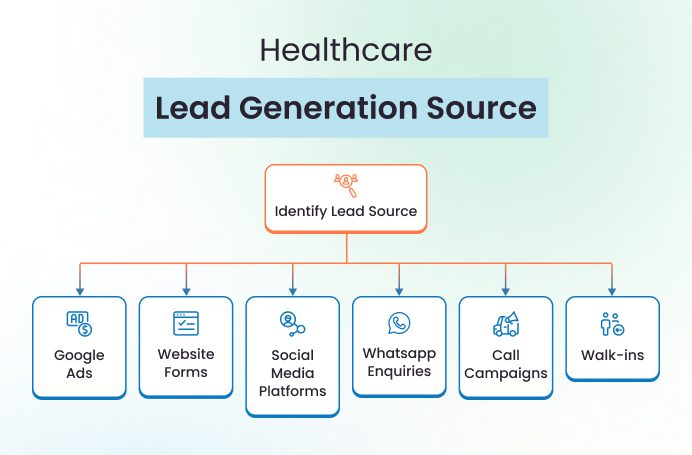
Once these sources are identified, organizations must evaluate source-wise performance to understand how each channel contributes to growth.
This involves analysing data to answer two critical questions:
- Which channels generate high-quality, appointment-ready leads?
- And which channels consume budgets without delivering meaningful returns?
Regular performance reviews help redirect investments toward high-impact platforms and eliminate inefficiencies.
However, many organizations struggle at this stage due to basic tracking gaps. Common mistakes include:
- Not tagging and tracking inquiry sources consistently, leading to incomplete or inaccurate data.
- Relying on manual records or disconnected systems, which makes analysis time-consuming and unreliable.
These challenges can be avoided by adopting structured tracking frameworks supported by healthcare CRM platforms, which automatically capture, categorize, and report inquiry sources, enabling accurate measurement and faster decision-making.
Step 2: Evaluate How Inquiries Are Captured
Lead generation is the process through which potential patients express interest in a healthcare provider’s services. However, the effectiveness of lead generation depends largely on how these inquiries are captured, recorded, and managed. Evaluating this stage is essential because incomplete, delayed, or poorly documented inquiries directly impact follow-ups and conversion outcomes.
In most healthcare organizations, patient inquiries are received through a few fundamental touchpoints.
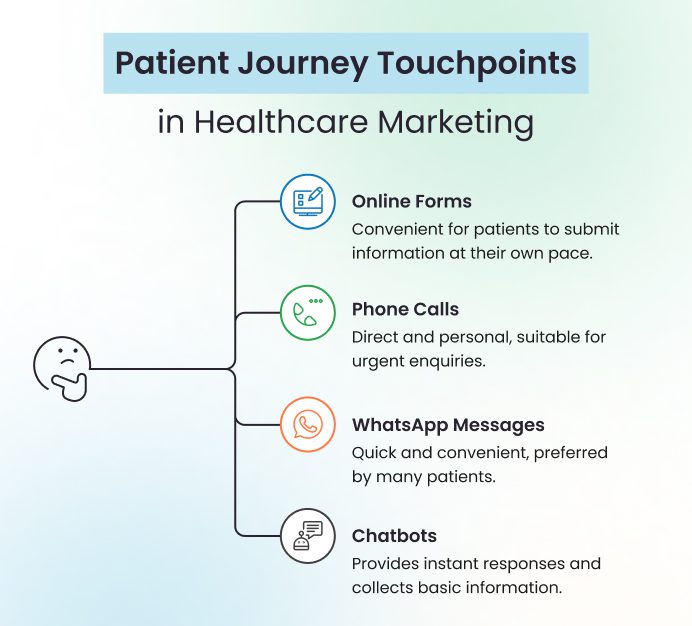
Once these touchpoints are identified, a quality assessment becomes necessary. Every captured inquiry should be reviewed by answering two critical questions:
- Are patient details complete and accurate?
- Are responses provided instantly or within an acceptable timeframe?
These factors determine how effectively an inquiry can be converted into an appointment.
Several red flags indicate weaknesses at this stage, including:
- Reliance on manual registers increases the risk of errors and data loss.
- Missing or incomplete patient information is limiting effective follow-ups.
- Delayed replies lead to reduced interest and lost opportunities.
Addressing these gaps early ensures that every inquiry enters the system in a structured, actionable format.
Step 3: Review Your Follow-Up Process
Follow-up is one of the most critical stages in the patient inquiry journey, and also one of the most neglected. Studies indicate that a significant portion of patient loss happens due to a lack of timely follow-up after the initial inquiry or interaction.
First response time analysis is vital because speed builds trust. Quick responses demonstrate professionalism and patient care, and fast follow-up protocols convert more inquiries into booked appointments compared with slower responses.
When evaluating follow-ups, three patterns matter.
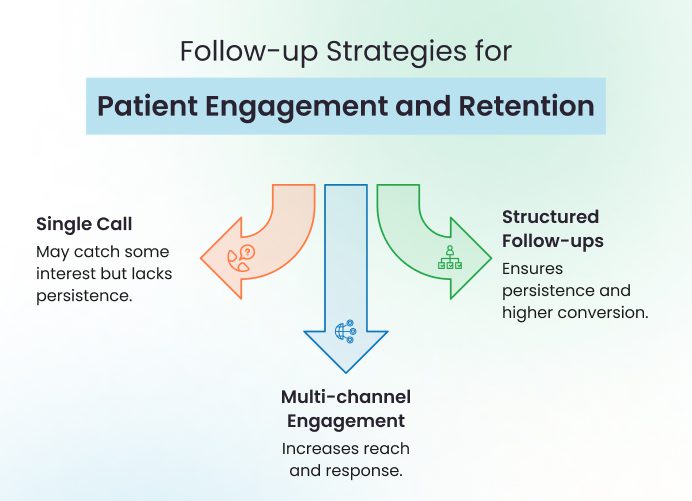
In healthcare, accountability gaps are common because clinical teams prioritize care delivery and not inquiry management. Before optimizing follow-ups, organizations must clarify:
- Who owns follow-ups?
- How are they tracked?
Without clear answers, responsibilities fall through the cracks. And if your follow-ups are inconsistent, a professional audit can reveal exactly where patients are slipping away.
Take Back Control of Your Patient Conversions
Start Your Audit TodayStep 4: Analyse Conversion from Inquiry to Appointment
Conversion rate is defined as the percentage of patient inquiries that result in confirmed appointments. In simple terms, it reflects the relationship between total inquiries received and the number of booked visits. A high volume of inquiries has limited value if only a small fraction translates into patient footfall.
To gain meaningful insights, organizations must go beyond overall numbers and segment their conversion data. Segmenting helps identify performance patterns and operational strengths and weaknesses.
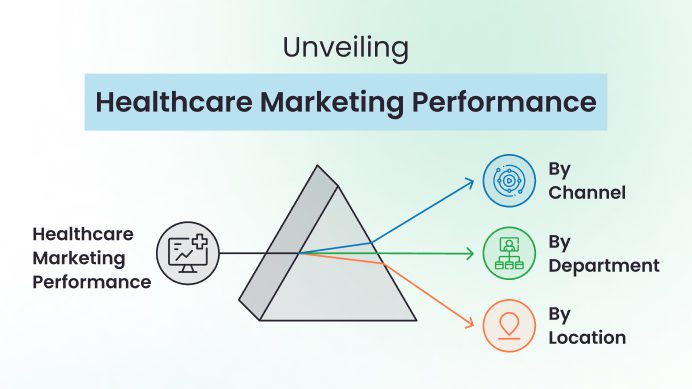
These segments often reveal specific drop-off points within the patient journey. Leadership teams must examine where patients disengage and why.
Common causes include:
- Delayed responses
- Lack of follow-ups
- Unclear information
- Inconvenient scheduling processes
Identifying these friction points enables targeted improvements, helping organizations strengthen conversions and minimize revenue leakage.
Step 5: Examine Your Data, Reports, and Tracking Systems
Accurate and comprehensive data form the backbone of an effective patient inquiry audit. Through structured reports and tracking systems, healthcare organizations gain access to detailed insights into patient interactions, inquiry sources, follow-up activities, and conversion outcomes.
When this data is systematically collected and analysed, it enables leadership teams to make informed, evidence-based decisions. The presence of skilled marketing analysts further strengthens this process by translating raw data into actionable strategies and performance improvements.
A key requirement at this stage is real-time visibility into operational and marketing performance. This visibility is typically achieved through three core mechanisms:
- Dashboards: Offering instant access to key performance indicators and trends.
- Performance reports: Providing periodic evaluations of channel and team effectiveness.
- Team metrics: Measuring response times, follow-up quality, and conversion efficiency.
AI-based tracking systems play a transformative role in modern healthcare inquiry management by moving organizations from reactive monitoring to proactive performance optimization.
These systems strengthen performance management through an AI-based tracking system.
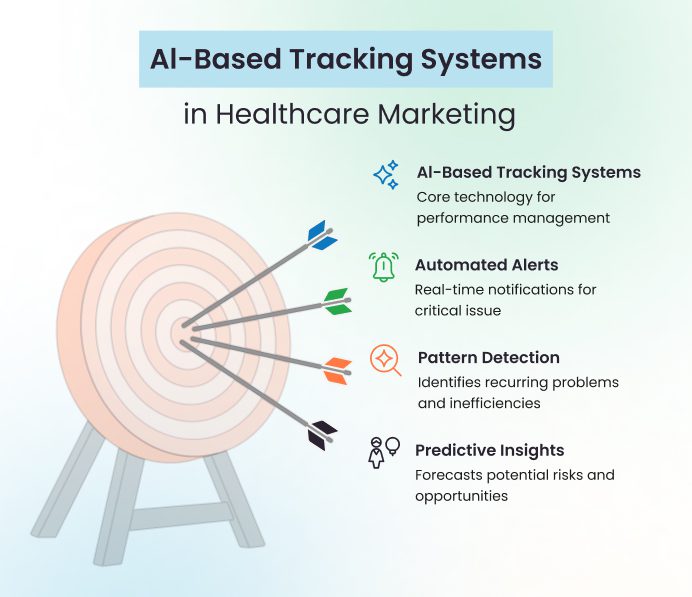
Powered by these capabilities, MedGrowth Engine.ai delivers an integrated, AI-driven tracking ecosystem that ensures visibility, accountability, and sustained growth across the entire patient inquiry journey.
Step 6: Identify Revenue Leakages and Operational Bottlenecks
Revenue leakages occur when potential patient inquiries fail to convert into appointments due to process gaps, delayed responses, or operational inefficiencies. These leakages are common in healthcare organizations that lack structured inquiry management systems and centralized oversight. Although individually small, such losses accumulate over time, significantly impacting overall revenue and growth potential.
Some of the most frequent causes of revenue leakage include:
- Missed calls: High-intent patients are unable to connect with the facility.
- Lost WhatsApp leads: Unmanaged message volumes or delayed responses.
- Unassigned inquiries: Leads remain unattended due to unclear ownership or workflow gaps.
In parallel, operational bottlenecks often restrict an organization’s ability to manage patient interactions effectively.
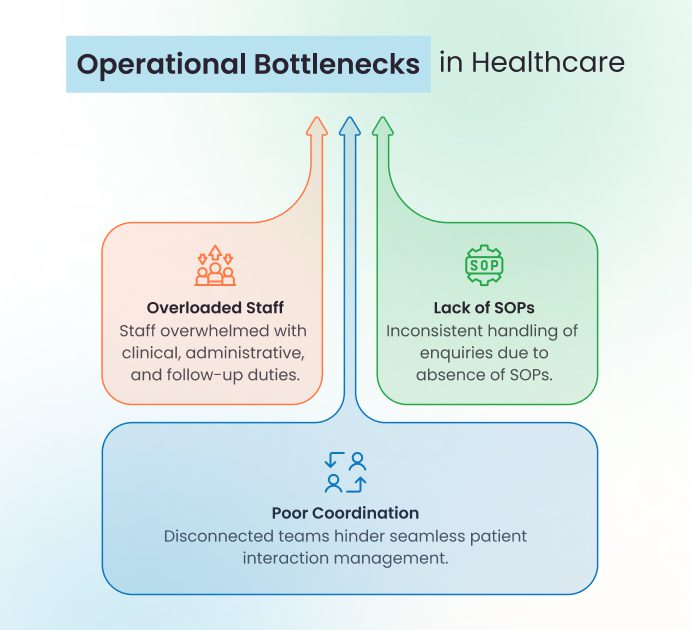
To address these challenges, organizations must map operational gaps directly to financial impact. By analysing lost inquiries, delayed responses, and missed appointments, leadership teams can quantify revenue leakage and find out how much potential income is being lost every month due to avoidable inefficiencies.
How MedGrowthEngine.ai Simplifies Patient Inquiry Audits
Auditing the patient inquiry journey manually can be complex, time-consuming, and prone to inaccuracies. MedGrowthEngine.ai simplifies this process by providing a unified, technology-driven platform designed specifically for healthcare organizations.
Unified Patient Inquiry Management System
MedGrowthEngine.ai combines healthcare CRM, marketing automation, and advanced analytics into a centralized platform. All patient inquiries are captured, organized, and monitored in one place. This eliminates data silos, reduces manual dependency, and ensures that no lead goes untracked or unmanaged.
End-to-End Journey Tracking
The platform offers complete visibility into the patient journey, tracking interactions from the first click to the final consultation. Every touchpoint is documented and analysed, allowing organizations to identify drop-offs, optimize engagement strategies, and maintain consistent patient experiences across channels and departments.
AI-Powered Performance Optimization
Leveling up artificial intelligence can transform operational data into actionable insights. Predictive follow-ups ensure timely engagement based on patient behaviour and intent. Conversion insights help leadership teams understand what drives successful outcomes and where improvements are needed.
By combining automation, intelligence, and healthcare-focused design, MedGrowth Engine.ai enables organizations to conduct accurate, scalable, and results-driven inquiry audits.
Want Complete Visibility Into Your Patient Journey?
Request a Professional Inquiry AuditCreating an Action Plan After Your Audit
An audit delivers value only when its insights are translated into measurable improvements. A well-defined post-audit strategy enables leadership teams to move from diagnosis to execution, transforming fragmented processes into integrated, high-performing systems.
After receiving a professional audit from MedGrowth Engine.ai, organizations can implement targeted improvements across three key areas.
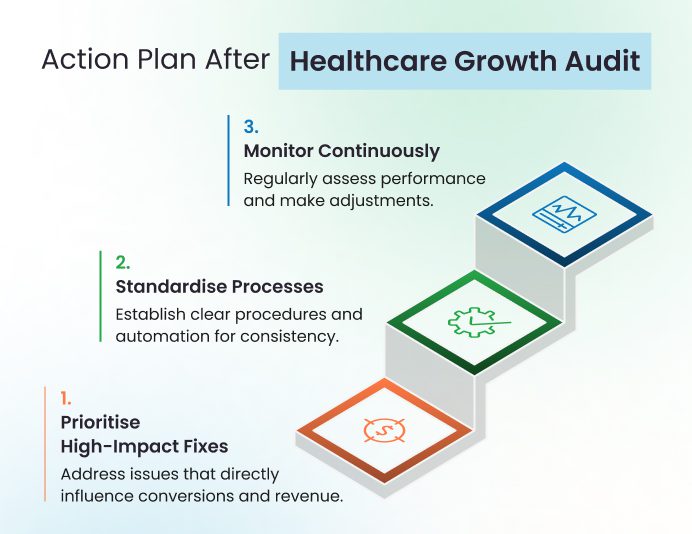
Together, these actions convert audit findings into a structured growth roadmap that supports long-term efficiency and patient acquisition success.
When to Seek Expert Support for Optimizing the Patient Journey
While internal teams play a critical role in managing patient inquiries, there are situations where external expertise becomes essential for sustainable improvement.
Certain performance indicators clearly signal the need for professional support. These include:
- Stagnant growth: Where inquiry volumes or appointment bookings plateau despite ongoing marketing efforts
- High lead acquisition costs: Indicating inefficient budget utilization
- Low conversion rates: Suggesting systemic gaps in follow-ups, tracking, or engagement processes.
When these challenges persist over time, they often reflect deeper structural issues that require specialized analysis.
Professional healthcare marketing audit offers an objective analysis, and external experts evaluate systems and workflows without internal bias. Industry benchmarks provide comparative insights, helping organizations understand how their performance aligns with best practices. Additionally, technology-driven insights powered by advanced analytics and AI enable deeper pattern recognition and predictive assessments
Conclusion
A strong patient inquiry audit provides clarity on what drives conversions and what limits growth. By systematically reviewing lead sources, capture methods, follow-ups, conversion performance, data systems, and operational gaps, healthcare organizations can build a more reliable and efficient patient acquisition framework.
MedGrowthEngine.ai acts as a strategic growth partner by offering AI-driven inquiry management, end-to-end journey tracking, and actionable performance insights. With the right technology and expertise, hospitals and clinics can move from reactive operations to predictable, scalable growth.
For organizations ready to improve conversions and maximize every inquiry, a professional audit is the first step toward long-term success.
Frequently Asked Questions
A patient inquiry journey refers to the complete process a potential patient follows, from discovering a hospital through ads or search results to booking and attending an appointment. It includes lead sources, inquiry capture, follow-ups, data tracking, and conversion management.
Hospitals can audit their patient inquiry management system by reviewing lead sources, response times, follow-up processes, conversion rates, data reports, and revenue leakages. This involves tracking inquiries across channels, evaluating staff performance, identifying drop-offs, and analysing operational gaps. Using a healthcare CRM with AI-based tracking makes this process faster and more accurate.
Patient inquiries often fail to convert due to delayed responses, inconsistent follow-ups, missing patient data, manual tracking systems, and a lack of accountability. Without structured processes and automation, many leads are lost before they reach the appointment stage. Regular audits help identify and resolve these conversion barriers.
A healthcare CRM centralizes patient data, tracks inquiry sources, automates follow-ups, and provides real-time performance reports. It ensures that every lead is properly assigned, monitored, and nurtured. With integrated analytics and AI insights, CRM systems help hospitals improve conversion rates and reduce revenue leakage.
Healthcare organizations should request a professional inquiry audit when they experience stagnant growth, rising lead acquisition costs, low appointment conversions, or poor visibility into inquiry performance. Professional audits provide objective analysis, industry benchmarks, and technology-driven insights that support long-term growth optimization.